To ensure dispatch on the same working day, please place your order by 12pm. Thank you.


 World Country Flags
 Checkered
 Striped
 Plain Coloured
 Advertising
 Miscellaneous
 Gay Pride
 Festival Flags
 Religious
 Skull & Gothic
 Celebration
 British Historic
 Military & War
 Specialist Flags
 Patriotic
 Irish County
 Islands
 British Counties/Regions
 European Province
 Australian States
 Canadian
 US Collectors
 US States & City
 British Counties/Regions


 20m bunting
 6m bunting
 3m bunting
 Decorative Bunting


The History and Origins of Fireworks Night 🎆


Every year on 5th November, the skies across Britain burst into colour for Fireworks Night — also known as Bonfire Night or Guy Fawkes Night. But behind the sparklers and bonfires lies a dramatic story of treason and survival.
The Gunpowder Plot
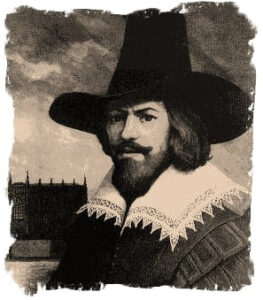
The tradition began in 1605, when a group of English Catholics led by Robert Catesby plotted to blow up King James I and the Houses of Parliament. Frustrated by the King’s harsh treatment of their faith, they smuggled 36 barrels of gunpowder into a cellar beneath Parliament.
Their plan failed when an anonymous letter warned the authorities. In the early hours of 5th November, Guy Fawkes, the man guarding the explosives, was discovered and arrested. After torture and interrogation, he and his fellow plotters were executed.
From Treason to Tradition
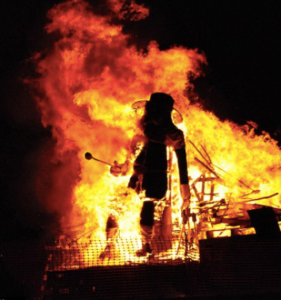
Londoners celebrated the King’s survival by lighting bonfires that very night. The following year, Parliament made 5th November an official day of thanksgiving. Over time, people began burning effigies of Guy Fawkes — “the Guy” — and setting off fireworks to symbolise the gunpowder that never exploded.
A Celebration That Endures
Today, Fireworks Night is a lively mix of history and festivity. Families gather for bonfires, communities host fireworks displays, and children chant the famous rhyme:
Remember, remember
The fifth of November
Gunpowder, Treason and Plot
I see no reason
Why Gunpowder treason
Should ever be forgot
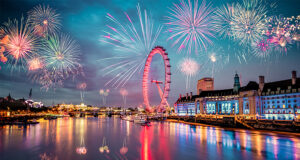
What began as a national act of thanksgiving has evolved into a celebration of community, light, and tradition — a reminder of a night that changed British history forever.